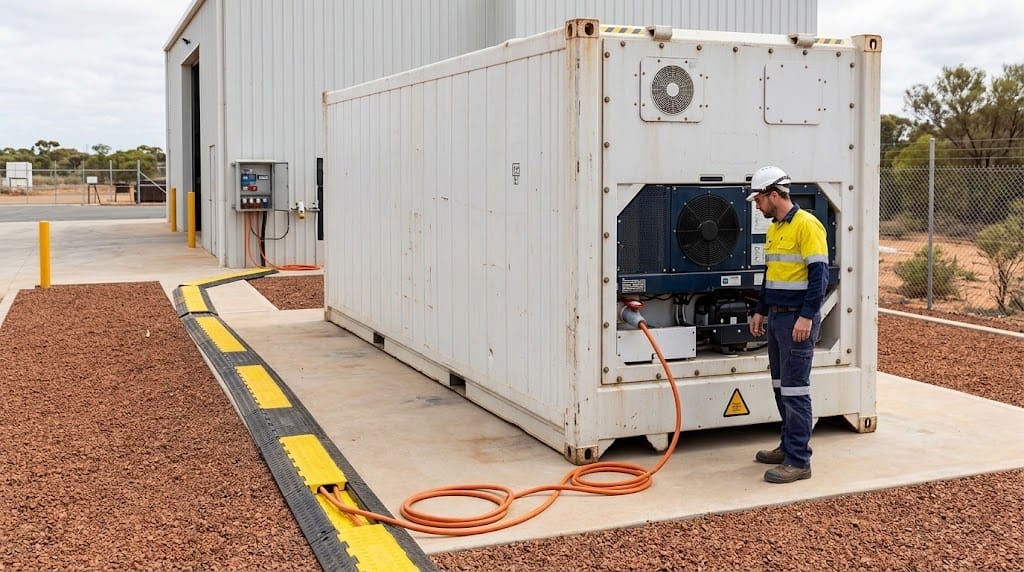
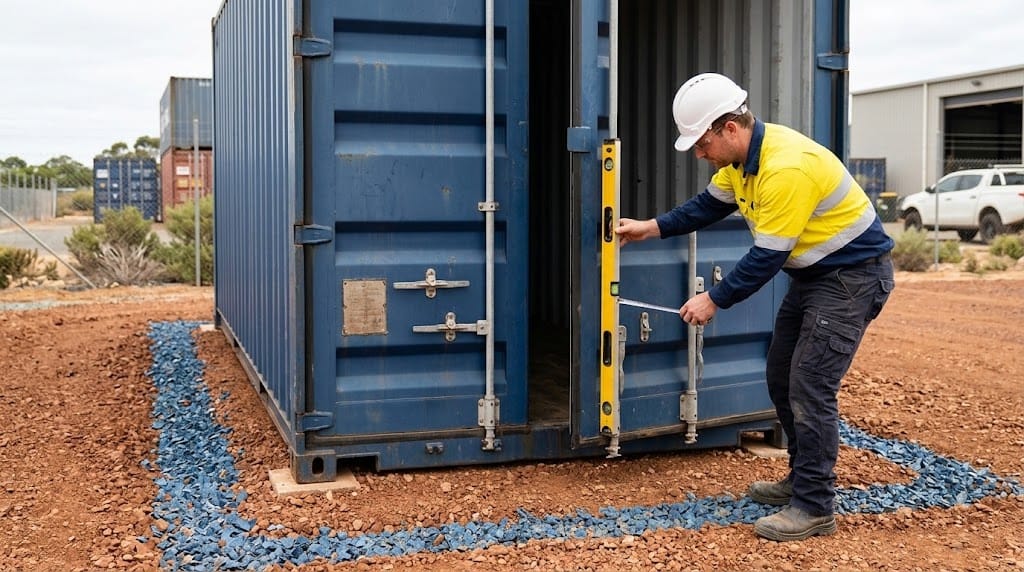
A dry container can hold a mix of tools, parts and equipment. Usable storage is quickly lost when everything is stacked on the floor. The real problem is usually retrieval: staff cannot reach what they need without moving other items first.
Shipping container shelving installation can make storage easier to manage, but the shelving should follow the inventory. To organise dry container storage properly, first decide what must be stored and how often it moves. Then record how each item is handled.
The current catalogue lists shelving as a dry-container modification pathway. That does not imply a universal shelf design or load capacity.
Inventory the Container Before Designing Shelves
Empty-container planning often produces a neat layout that fails as soon as real stock arrives. Review the available dry container modifications after the inventory is defined. Build the design from an actual inventory instead.
The client’s dry shipping containers category presents dry containers as storage units for general goods, tools and equipment. A shelving plan should therefore account for the specific items in your operation.
Group stored items by:
- Frequency of use.
- Physical size and shape.
- Weight and handling method.
- Need for weather or dust protection.
- Security importance.
- Whether the item is picked by hand, trolley or mechanical equipment.
Frequently used items should be easy to reach without unpacking the container. Rarely used bulky items may belong deeper in the unit if they do not obstruct other stock.
Build the Layout Around a Clear Movement Path
Shelves are useful only if people can reach them. Protect a clear aisle from the entrance to the storage zones that staff use most often.
The standard dry containers category supports conventional dry-storage planning. It is separate from specialised refrigerated or chemical-storage applications.
Sketch the container from above and mark:
- Door opening zone.
- Main walking route.
- Shelving runs.
- Floor storage for oversized items.
- Trolley turning or staging space.
- Items that need controlled access.
Do not maximise shelf depth at the expense of movement. A narrow aisle may look efficient on paper but can make routine picking slower and less safe.
Treat “Heavy-Duty” as a Requirement to Verify
The phrase heavy-duty shelving describes the intended use, not a verified capacity. The allowable load depends on the exact shelving system, installation and container condition.
Do not estimate shelf capacity from appearance. Record the heaviest items you expect to store and ask for product-specific information before finalising the design.
Put denser items where they can be handled safely and where the storage system is designed to support them. Avoid placing heavy components high simply to free floor space.
Shipping container shelving installation can also interact with the container structure. Structural or permanent fixing work should be assessed rather than treated as a generic DIY task.
Keep Loading and Unloading Practical
A storage system should work from the truck or yard to the final shelf location. If goods arrive on pallets but must be broken down outside the container, include a staging area in the workflow.
At this planning stage, the brief should explain how goods enter, which items need shelving and whether access equipment is used.
Check how the original cargo doors affect the layout. Shelving placed too close to the entrance can interfere with opening, inspection or temporary staging.
Container Refrigeration can then discuss available dry-container and modification options against that workflow.
If staff frequently move carts or trolleys, keep the route predictable. Do not create a zigzag path around floor stock.
Plan Handling Equipment Separately
Shelving and access equipment solve different problems. A ramp helps cross the container threshold, while shelving determines where goods are stored.
The client’s container ramps category distinguishes between forklift and trolley ramp products. Select a ramp only after confirming the handling equipment and product information.
For forklift loading containers, also consider the external traffic area. The ramp, container doorway and approach need to work as one loading zone.
Do not use “heavy duty” in a ramp or shelving name as proof of capacity. Confirm the exact item before use.
Keep Security Compatible With Organisation
A well-organised container can make security management easier because staff can quickly notice missing or misplaced items.
The client also lists container locks as an accessory category. A security plan can combine appropriate locking hardware with inventory control and restricted key access.
Avoid storing high-value items directly beside the door simply because they are used often. If that placement increases theft risk, create a controlled-access zone that remains practical for authorised staff.
Make the Organisation System Easy to Maintain
Shelves do not keep a container organised by themselves. Assign locations and make them easy to understand.
A simple location system can use shelf labels, zone names and an inventory list. Keep naming consistent so new staff can find items without relying on memory.
Review the layout when stock changes. If one category grows and another disappears, adjust the storage plan rather than allowing new items to accumulate in the aisle.
Include shelf condition and container housekeeping in routine inspections. Damage, loose stored items or blocked access should be addressed before they become normal.
FAQs
Can shelving be installed in a dry shipping container?
Yes, shelving is listed within Container Refrigeration’s dry-container modification catalogue. The exact layout and installation need to suit the container and intended loads.
How do I organise dry container storage before installation?
Create an inventory, group items by use and handling method, protect a clear access route, then design shelving around those needs.
What load can container shelving hold?
This article does not state a universal capacity. Confirm the rating and installation requirements for the exact shelving system selected.
Should heavy items go on the highest shelves?
Do not place heavy items high simply to gain floor space. Storage location should reflect safe handling and the verified capability of the shelving system.
Can a forklift ramp and shelving be planned together?
Yes, but they address different parts of the workflow. Confirm the ramp for the handling equipment, then make sure the internal layout provides a suitable loading and staging path.
Conclusion
To organise dry container storage, start with the inventory and movement path, then fit shelving around real handling needs. Keep capacity claims tied to the exact shelving product rather than generic “heavy-duty” wording.
If you have an inventory list and rough layout, use those as the basis for a modification discussion. Call (08) 9335 6299 or send an enquiry with your storage and access requirements.