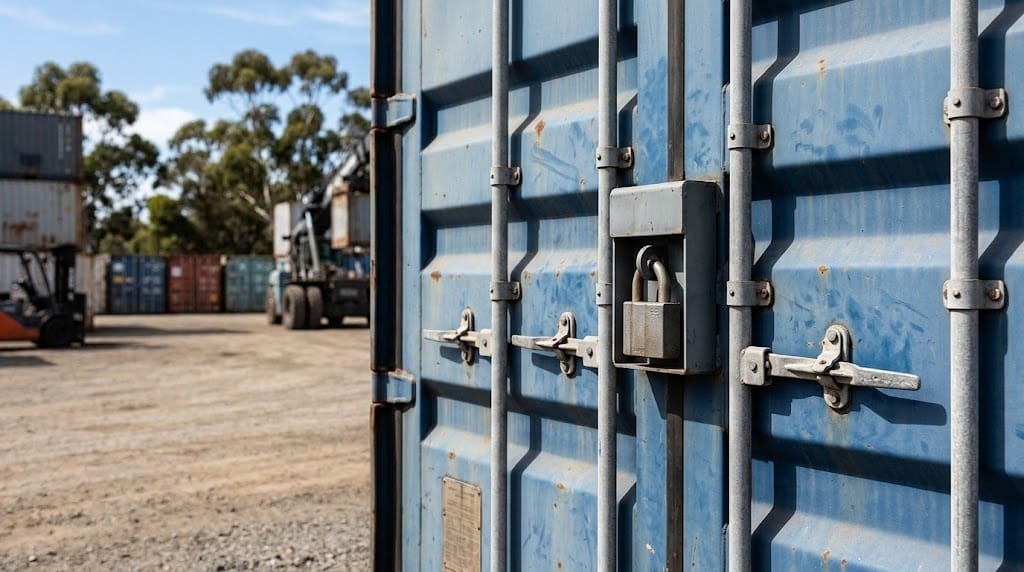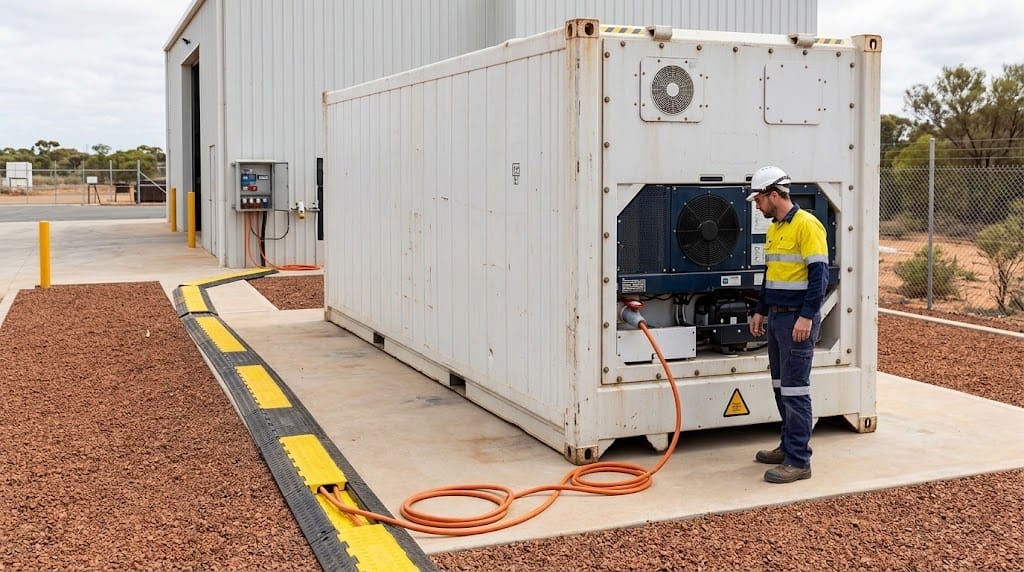
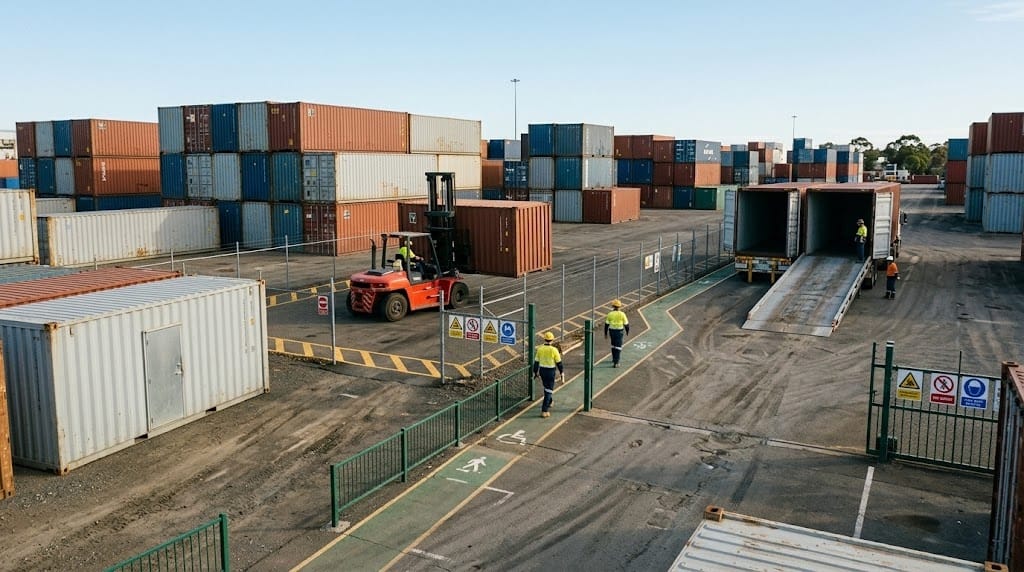
A busy container yard can change character several times during one shift. A quiet storage area may become a forklift route during loading, then a pedestrian access point when staff collect tools or stock.
Shipping container safety modifications can support a safer site, but they are not a safety programme by themselves. Industrial container access needs rules for movement, responsibilities, inspections and change, with hardware selected only where it answers a defined problem.
That distinction is important in high-traffic areas because the main risk may sit outside the container. A new door or sign cannot correct a poor vehicle route on its own.
Observe the Traffic Before Writing Rules
Start by watching the site during normal operations. Note when trucks arrive, where forklifts turn, where staff walk and where people wait while loading takes place.
WorkSafe WA publishes guidance on the safe movement of vehicles and mobile plant. Use current regulator guidance and the site’s own risk assessment when developing the traffic plan.
A useful observation exercise records:
- Vehicle approach and exit routes.
- Forklift travel and turning areas.
- Pedestrian entry points.
- Places where people and vehicles cross.
- Container doors that open into traffic.
- Areas where stock is temporarily staged.
- Times when visibility or congestion changes.
Do not redesign the container until the traffic pattern is understood. Otherwise, a modification may move the problem rather than remove it.
Write Rules for Each Type of Movement
A safety programme becomes practical when it describes what happens during specific activities.
For forklift operations, WorkSafe WA provides forklift resources covering workplace safety considerations. Site procedures should reflect the actual plant, loads, ground conditions and traffic arrangements.
Write separate rules for activities such as:
Loading: who controls the area, where pedestrians wait and when the container can be approached.
Routine staff access: which door is used, whether vehicle movement is paused and how the entry is kept clear.
Closing and securing: who checks the container, locks it and confirms the surrounding area is left safe.
Maintenance or modification work: how the area is isolated from normal traffic while work is underway.
This activity-based format is easier to apply than a general statement telling everyone to “be careful around containers”.
Separate Access Problems From Hardware Problems
Sometimes the issue is physical access. Sometimes it is traffic management. The two should not be confused.
The client’s shipping container doors category includes several access options, while its container ramps category distinguishes different ramp types for different handling tasks. These products can support industrial container access when they match a specific operating need.
A personnel door may reduce the need to open full cargo doors for routine entry, but its location still has to work with the surrounding traffic plan. A ramp may improve trolley or forklift access, but the approach area still needs safe movement controls.
Before selecting either product, ask what problem it solves and what new interface it creates.
Use Modifications Against Defined Hazards
The client’s safety modifications catalogue includes emergency, security and signage-related items. These products should be considered against identified hazards rather than installed as a generic compliance package.
Around the middle of the planning process, Container Refrigeration can discuss the modification categories shown on its website and how they may fit the intended container use. The broader safety programme remains site-specific.
For each proposed modification, record three things:
- The hazard or operational problem.
- The function the modification is expected to provide.
- The procedure or inspection needed to keep that control effective.
This simple record prevents hardware from becoming disconnected from the reason it was installed.
Build Inspection and Change Control Into the Programme
A safety programme should survive changes in stock, staffing and traffic. That means inspections and reporting need to be part of normal operations.
Check doors, ramps, locks and access areas for visible damage or obstruction. The client’s container locks category provides a security pathway, but security hardware also needs to remain compatible with safe access and any emergency function.
Set a process for reporting problems. A damaged ramp, sticking door or changed vehicle route should trigger review rather than being accepted as the new normal.
Change control is especially important after:
- A container is moved.
- A new door or ramp is added.
- Different handling equipment is introduced.
- Stock type or loading method changes.
- A near miss exposes a weakness in the current rules.
The programme should be updated when the work changes.
A One-Page Programme Template
A practical site document can be short if it is specific. Include:
Purpose: what area and activities the programme covers.
Traffic plan: vehicle, forklift and pedestrian routes.
Access rules: which doors and ramps are used for which tasks.
Responsibilities: who controls loading, inspection and locking.
Pre-use checks: what staff inspect before using the access equipment.
Incident and defect reporting: how problems are recorded and escalated.
Change review: when the programme must be reassessed.
Keep the document close to the work and review it with the people who use the area. A programme that exists only in an office file is unlikely to control a busy loading interface.
FAQs
What should a container storage area safety programme cover?
It should cover the actual traffic, loading, pedestrian access, equipment, responsibilities, inspections and change process for the site. The exact controls depend on how the area is used.
Are shipping container safety modifications enough on their own?
No. Modifications can support a safety programme, but procedures, traffic management and ongoing inspection are also needed.
Can a personnel door improve industrial container access?
It may improve routine pedestrian access where the layout and site support it. Door location still needs to be reviewed against vehicle routes, internal fit-out and emergency access needs.
Should the programme change after the container is moved?
Yes. A new location can change traffic routes, ground conditions, access and surrounding hazards, so the site plan should be reviewed.
Conclusion
A high-traffic storage area needs a programme built around movement, not a catalogue of upgrades. Use shipping container safety modifications only where they support defined industrial container access and traffic controls.
If your site plan identifies a door, ramp, security or safety modification need, call (08) 9335 6299 or review the site brief with the team before finalising the container changes.