Remote projects need more than a place to sleep. Accommodation must fit the site, workforce routine, available services and operating conditions. Container accommodation units can form part of that plan when the design suits the actual project.
Remote site housing also needs careful scoping before a layout is chosen. Farm and mine sites can differ in access, utilities, privacy needs and project controls. For Perth-based teams managing remote sites, early scoping helps clarify those constraints. This guide explains the questions to resolve before comparing modular accommodation options.
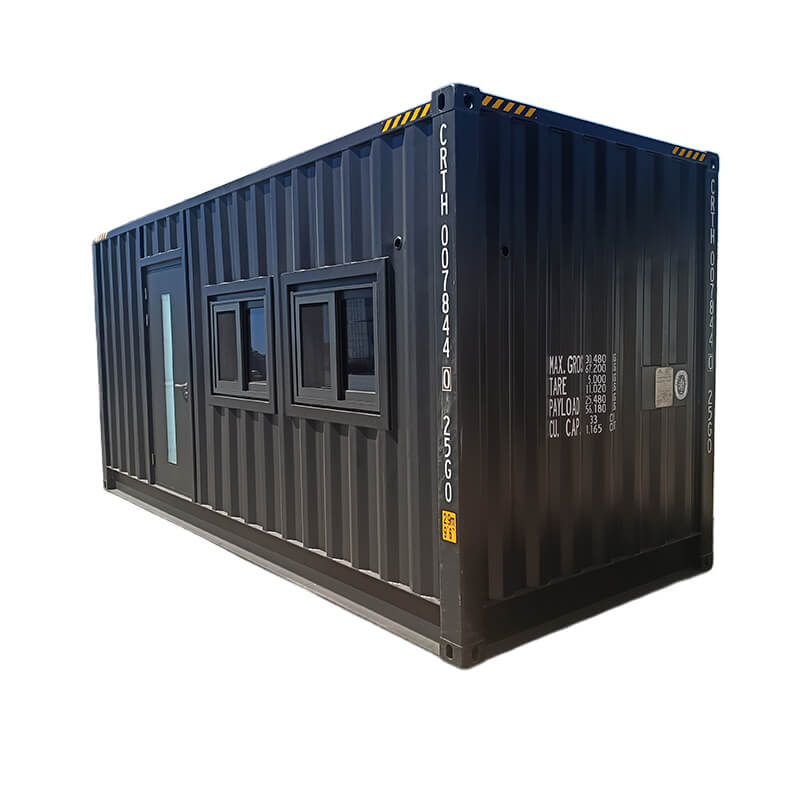
Container-based living spaces are represented within the current container homes and accommodation range. The category includes worker housing, remote-location accommodation and mining-camp applications. Each project still needs its own brief and approval checks.
What Modular Container Accommodation Means
Start With The Use, Not The Container
Modular container accommodation uses a shipping-container structure as the basis for a living or sleeping space. The final configuration can vary significantly by intended use.
Start by defining who will use the space and how it fits the wider site. A short-stay sleeping unit has different needs from shared amenities or an office.
Container accommodation units should therefore be considered as project components, not identical off-the-shelf rooms. The site brief should guide the layout, services and access decisions.
Treat Catalogue Examples As Starting Points
A product example can show what a modification pathway may look like. It should not be treated as a promise that every project includes the same features.
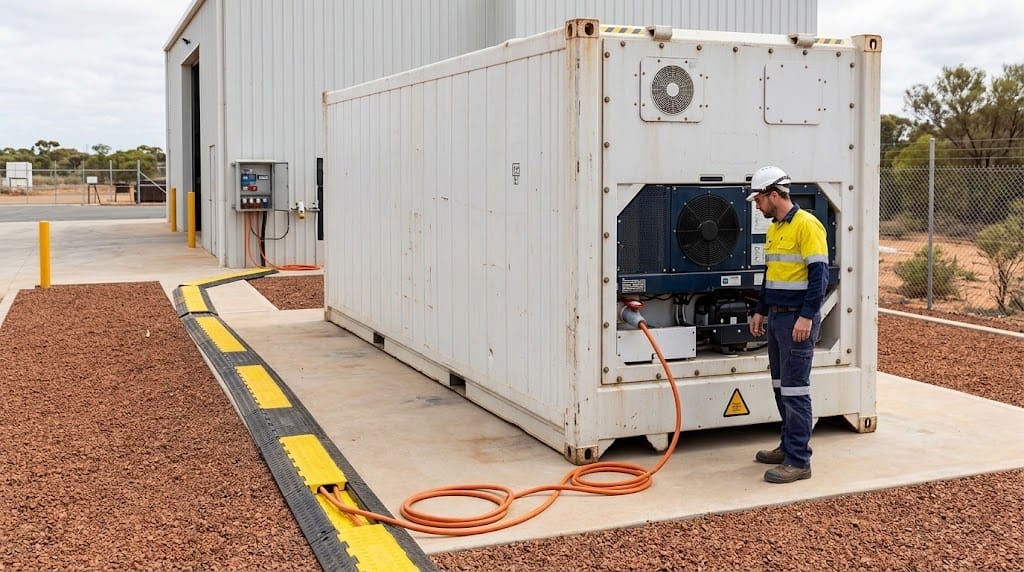
The current catalogue lists an insulated accommodation block created from an ex-refrigerated container. Its page describes flooring, a sliding glass door, air conditioning and internal power points.
That example supports the idea of insulated accommodation blocks as a configurable product type. Final inclusions should be confirmed against the specific project scope.
Plan Around The Remote Worksite
Farm Sites Have Their Own Operating Needs
Farm worker accommodation should be planned around the actual property and daily work pattern. Consider where workers start and finish shifts, how they access amenities and where vehicles move.
Power, water, wastewater arrangements and communications may also affect the preferred position. These services should be confirmed before a module is specified.
The farming and agriculture material includes housing and accommodation among its container-based applications. That does not make one design suitable for every agricultural property.
Mining Sites Need A Site-Specific Brief
Mining camp accommodation sits within a more complex operational environment. The accommodation plan may need to align with access controls, site traffic, utilities and other facilities.
The mining and exploration material shows modified containers used for site offices and storage. Those examples help show the wider role containers can play on a resources site.
They should not be read as a substitute for a mining accommodation specification. Mine operators should apply their own site, workforce and project requirements to the design.
Match The Fit-Out To Daily Use
Plan Sleeping And Shared Spaces Around The Workforce
Remote site housing works best when the brief starts with daily use. Consider privacy, storage, cleaning access and movement between sleeping areas and shared facilities.
For modular worker accommodation, decide which functions belong inside each module. Separate modules may be more practical when sleeping, amenities and work functions need different access patterns.
Avoid choosing a layout from appearance alone. The interior arrangement should reflect the way workers will actually use the space during a roster.
Confirm Climate Control And Services Early
Climate control can be an important design consideration in Western Australia. The right approach depends on the container type, site conditions and project requirements.
The current product page lists container air conditioners as a modification for dry or insulated containers. Its product page states that the configuration depends on container size.
Container Refrigeration also lists modified containers used for staff accommodation and workspaces. Specific electrical, plumbing and climate-control details should still be confirmed for the proposed unit.
Plan Security And Access
Think About Everyday Entry And Privacy
Accommodation access affects privacy as well as site operations. Workers need a clear route between living areas, amenities, parking and work zones.
Door positions should suit the layout and intended movement through the module. External lighting, locks and access procedures may also form part of the site brief.
Do not assume that a standard container door arrangement will suit farm worker accommodation or mining camp accommodation. A modified personnel entry may be more appropriate for some projects.
Specify Door And Access Changes In The Brief
The catalogue lists a high-security container door for dry and insulated container modifications. It is one example of an access modification that can be discussed during design.
The product should not be treated as automatically suitable for every accommodation project. Door selection can affect layout, access, transport and approval documentation.
Security requirements should come from the site and project brief. They should not be inferred from the fact that the module started as a shipping container.
Prepare For Delivery, Placement And Approvals
Confirm The Delivery Route And Final Position
A completed accommodation module still needs a practical route to its final location. Remote roads, gates, overhead obstructions and ground conditions can affect delivery planning.
The container transport service page states that transport can be organised from its O’Connor yard to certain Western Australian locations. Coverage and vehicle access should be confirmed for each site.
Plan the final position before transport is booked. The location needs to work with access, services, drainage, other buildings and the intended workforce flow. For projects coordinated from Perth, remote access should still be assessed site by site.
Resolve Approvals Before Finalising The Build
Remote accommodation can be subject to project-specific planning, building, workplace and site requirements. The relevant pathway depends on location, land use and the nature of the accommodation.
Do not assume a transportable or modular format removes approval obligations. Confirm the applicable requirements with the relevant authorities and qualified project advisers before work starts.
This is especially important where remote site housing will connect to permanent services or form part of a larger camp. Approval needs should be treated as a design input, not a final paperwork task.
Frequently Asked Questions
What Are Container Accommodation Units?
Container accommodation units are shipping-container structures modified for living or sleeping use. Layout, insulation, doors, climate control and services can vary by project.
The accommodation category includes residential and worker-housing examples. A specific unit’s inclusions should be confirmed before it is selected.
Can Container Accommodation Be Used On Farms And Mine Sites?
Yes, container-based accommodation is presented by Container Refrigeration for remote locations, worker housing and mining-camp applications. Its farming material also refers to container housing and accommodation.
Suitability still depends on the site, intended use, services and applicable project requirements. A farm or mine should not assume one module suits every workforce situation.
Are Insulated Accommodation Blocks The Same As Refrigerated Containers?
Not necessarily. An insulated accommodation module may use an ex-refrigerated container as its starting structure, as one current product page describes.
That does not mean it operates as refrigerated storage. Insulated accommodation blocks are configured for accommodation use, and the final fit-out should be confirmed separately.
Can Air Conditioning Be Added To A Container Accommodation Project?
The product catalogue lists air conditioning as a modification for dry and insulated containers. The product page notes that the configuration depends on container size.
A project team should confirm the selected system, electrical requirements and installation details for the exact accommodation design.
What Information Should Be Prepared Before Requesting A Quote?
Prepare the intended use, site location, access conditions, preferred layout and required services. Include any known security, climate-control or transport constraints.
For modular worker accommodation, also explain how the unit will fit with existing amenities and site operations. A clearer brief reduces assumptions during design discussions.
Conclusion
Modular accommodation planning starts with the workforce and the site. Define the intended use, access, services, fit-out and approval pathway before choosing a configuration.
If the project needs doors, climate control or other fit-out changes, review the current container modifications as a starting point for discussion.
Call (08) 9335 6299 or contact the team to discuss the site, intended use and accommodation brief.