A refrigerated container can become a continuity problem when the normal power source is unavailable, unreliable or not present at all. Choosing backup power too late can leave operators trying to match equipment during an outage.
A refrigerated container generator backup should be selected from the electrical requirements of the exact refrigeration unit and the operating scenario. Portable power for reefers is not a one-size-fits-all category, even when two containers look similar from the outside.
The current client catalogue includes several generator formats for refrigerated-container applications. Compatibility still needs to be confirmed for the reefer, connection method and site.
Identify the Refrigeration Unit Before the Generator
Start with the refrigeration unit, not the generator catalogue. Review refrigerated container generators only after the reefer’s electrical requirements are identified. Record the manufacturer, model and electrical information from the equipment documentation or nameplate.
This is especially important when working with three-phase refrigerated containers. The fact that a container uses three-phase power does not establish the complete electrical requirement or make every three-phase generator suitable.
A technical brief should identify:
- Refrigeration unit make and model.
- Verified phase, voltage, current and connection requirements.
- Normal site power source.
- Whether power is needed for an outage, transport or remote operation.
- Expected operating environment.
- How the generator will be connected and managed.
If any of these details are uncertain, get them confirmed before choosing the generator.
Compare Generator Formats by the Use Case
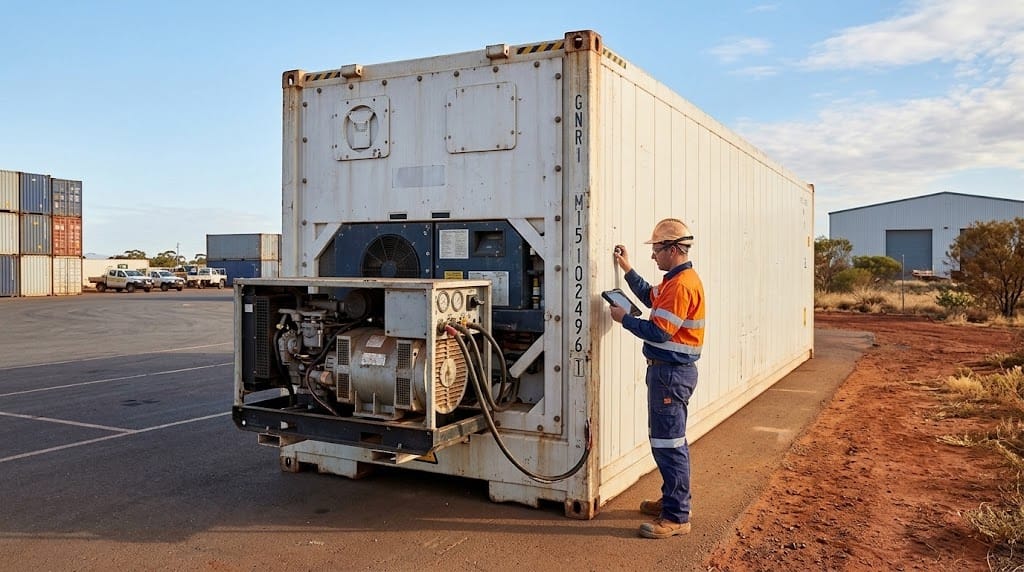
A reefer generator, often called a genset, is a generator used to supply power to refrigerated-container equipment. Different generator arrangements can suit different transport and site scenarios.
The client’s generator category includes clip-on and under-mount products. It also lists the Carrier RG15 generator as a clip-on model.
Product format matters because the way a generator is mounted, transported and serviced can affect whether it suits the operation. Do not choose only by brand familiarity.
Ask practical questions:
- Will the generator remain with one container?
- Is the container transported while powered?
- Does the site need temporary independent power?
- Who will inspect and operate the generator?
- How will the equipment be positioned for safe access and servicing?
The answer may change the preferred generator pathway before electrical compatibility is even considered.
Plan the Operating Scenario, Not Just the Outage
Backup power planning should describe the event you are preparing for. A short interruption at a fixed site is different from remote operation or powered transport.
Write a simple continuity plan. State who identifies the loss of normal power and who can start the backup system. Also assign responsibility for checking the reefer afterwards.
Also define when the generator should be inspected or tested. A backup system that has never been checked under the intended operating procedure can create uncertainty when it is needed.
Treat Cables and Connections as a Separate Compatibility Check
The generator may be suitable while the lead or connector is not. That is why power accessories need their own verification step.
The client lists extension leads for refrigerated-container applications. The category includes three-phase and single-phase products as well as an adaptor product.
Do not alter plugs, connectors or protection devices to make mismatched equipment fit. A qualified electrician should be involved when the electrical supply, connection or protection is uncertain.
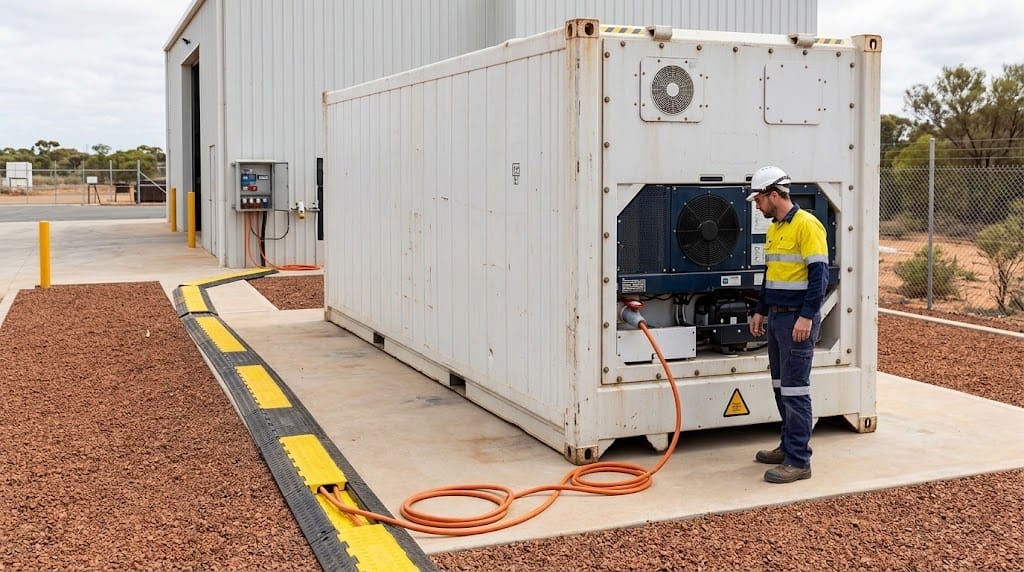
For every connection, confirm the exact equipment requirements and the condition of the lead before use. Keep routing and trip hazards in the site plan as well.
Build a Continuity Procedure Around the Equipment
Container Refrigeration can review the intended reefer application and available generator products. A named genset should not be assumed to work with every refrigeration unit.
A generator does not protect temperature-sensitive stock by itself. The operating procedure needs to cover detection, response and escalation.
Your continuity plan can include:
- How power loss is identified.
- Who confirms the cause.
- How the approved backup source is brought into service.
- Who checks that the refrigeration unit is operating as expected.
- How the event is recorded.
- When technical support is requested.
Avoid setting universal response times or temperature limits in a general article. Those details depend on the stored product, reefer and operating requirements.
Include Maintenance and Parts Planning
A backup system adds another item that needs inspection and maintenance. Include the generator in the same asset register as the refrigerated container.
The client’s container spare parts and accessories page covers refrigeration parts and generator-related equipment. Current part availability should be confirmed rather than assumed.
Keep manufacturer and model information with the asset record. That helps when a technician needs to identify a part or confirm service requirements.
If the backup system is rarely used, storage condition and scheduled checks still matter. Follow the applicable manufacturer and service guidance for the exact generator.
Prepare a Technical Enquiry
A useful generator enquiry includes more than “I need backup power”. Provide the reefer details and explain the operating scenario.
Include clear equipment identification photos where appropriate, the normal power arrangement and site location. Explain whether the system supports fixed-site, transport or remote operation.
Do not rely on plug appearance as proof of compatibility. The electrical requirements need to be verified.
FAQs
What is a reefer generator?
A reefer generator, or container genset, is a generator used to provide power for refrigerated-container equipment. The exact generator must be matched to the refrigeration unit and operating application.
Can any three-phase generator power a refrigerated container?
No. Three-phase supply is only one part of compatibility. Confirm the exact electrical and connection requirements of the reefer and generator.
Does the client sell clip-on generators?
Yes. The current generator category includes clip-on products, including the Carrier RG15. Suitability for a particular reefer must still be checked.
Is a generator only useful during a blackout?
Not necessarily. Generator products can also be relevant to transport or remote-power applications. The correct setup depends on how the refrigerated container will be used.
Should I buy the generator before confirming the reefer model?
No. Identify the refrigeration unit and its verified electrical requirements first so the generator can be assessed against the correct equipment.
Conclusion
Choosing a refrigerated container generator backup starts with the reefer model, verified electrical requirements and the reason independent power is needed. Generator format, connection and operating procedure should then be assessed together when planning portable power for reefers.
Have the refrigeration-unit details and site scenario ready before comparing equipment. Call (08) 9335 6299 or send the equipment details so the team can discuss an appropriate generator pathway without assuming universal compatibility.