A reefer fault can create pressure to order a replacement component quickly. The fastest-looking option can still be the wrong one if the refrigeration unit, model or part reference has not been confirmed.
For reefer container spare parts Perth enquiries, identification comes before purchasing. Thermo King replacement parts and Carrier components should be matched to the exact refrigeration equipment rather than selected from appearance or brand name alone.
A good parts enquiry is therefore an evidence pack. It gives the supplier enough verified information to identify the right pathway without asking them to guess from a symptom.
Start With the Unit Identity
The client’s parts and accessories page states that replacement parts are associated with refrigerated shipping containers using Carrier, Thermoking and Daikin refrigeration units. That supports the brand pathway, but it does not confirm that every component is always available.
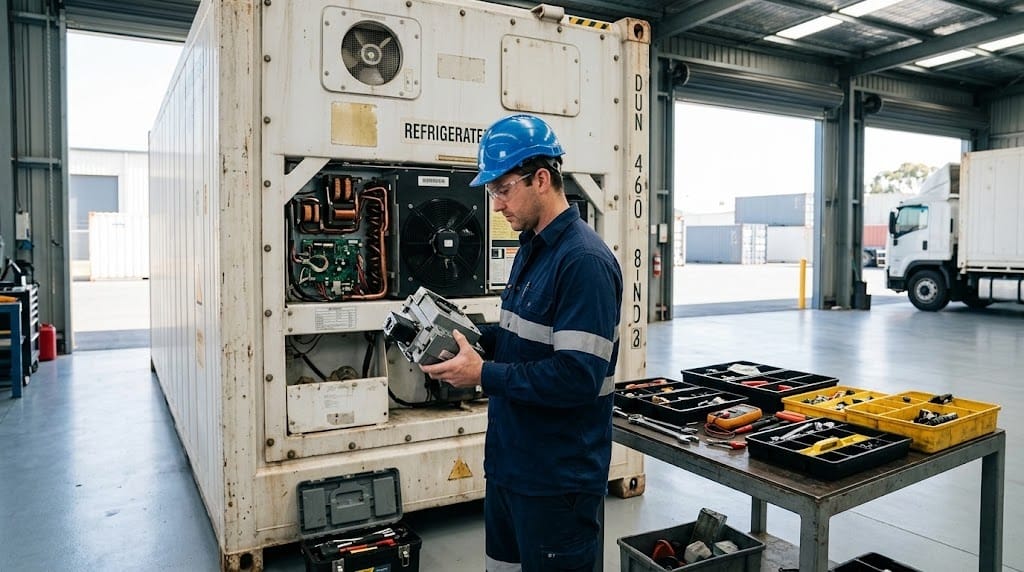
Record the refrigeration unit manufacturer and model exactly as shown on the equipment. If there is a clear serial or identification reference relevant to the enquiry, include it accurately rather than shortening it from memory.
Do not start with the outside dimensions of the shipping container. Two similar containers can have different refrigeration equipment fitted to them.
For procurement staff, create a short equipment record for each reefer. The record can make future refrigerated container replacement parts enquiries more reliable because the unit identity does not need to be rediscovered during every fault.
Build an Evidence Pack for the Part
A supplier can often work more efficiently when the enquiry includes clear evidence rather than a description such as “fan part” or “sensor near the compressor”.
Useful information may include:
- Refrigeration unit manufacturer and model.
- A verified part number where it can be read from the existing component or documentation.
- Clear photographs showing the component in context.
- A close photograph of any readable part label.
- A factual description of the symptom.
- Details of recent work if it may be relevant.
If the unit identity or condition is uncertain, the client’s refrigerated unit inspections service provides a separate technical pathway. An inspection can be more appropriate than ordering a component from an unconfirmed diagnosis.
Keep the distinction clear: the evidence pack supports identification, but it does not replace technical fault-finding.
Know When You Need Diagnosis, Not a Parts Order
Some faults do not point to one obvious component. A code, alarm or symptom can have several possible causes, and replacing a part without diagnosis can waste time or create additional problems.
The client has a current container upgrades and repairs service page. At this stage, Container Refrigeration can discuss whether the enquiry belongs in parts supply, inspection or repair based on the information provided.
Use a simple decision rule:
Known part, verified identification: ask about the exact component and current availability.
Known unit, uncertain failed component: consider inspection or technical diagnosis before ordering.
Unknown unit identity: identify the refrigeration equipment first.
Damaged electrical or refrigeration system: stop at the appropriate technical boundary and use qualified service support.
This prevents a parts article from drifting into DIY refrigeration or electrical repair instructions.
Brand Names Narrow the Search but Do Not Identify the Part
Carrier and Thermo King are useful starting points because they identify the equipment family. They are not a complete part number.
The client lists a Carrier PrimeLINE unit as one refrigeration-unit product, while its parts page also refers to other Carrier and Thermo King equipment. That variety is exactly why brand-only requests can be too broad.
A Thermo King replacement parts enquiry should include the exact unit identity. The same applies to Carrier reefer parts. Avoid ordering from a photo of a visually similar component unless compatibility has been technically confirmed.
If a supplier proposes a superseded or alternative component, ask for confirmation that it is appropriate for the exact unit before the repair is scheduled.
Keep Power Equipment in a Separate Search
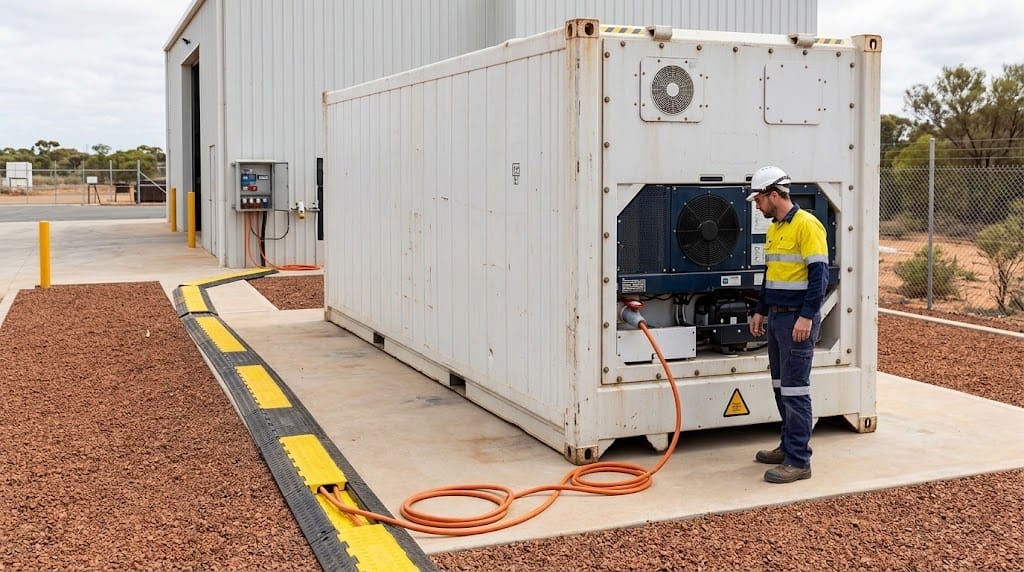
A reefer problem can also involve the power source rather than an internal refrigeration component. Generator parts and refrigeration-unit parts should not be mixed into one vague request.
The client maintains a separate generator products category. If the issue is with a clip-on or under-mount generator, identify that equipment independently from the reefer unit.
For a system with both a reefer and generator, create two equipment records. This makes it easier to describe whether the fault follows the refrigeration unit, the generator or the connection between them.
Confirm Availability Before Scheduling the Repair
Current stock and lead times can change. A website statement that a business handles Carrier or Thermo King replacement parts does not prove that a specific part is available today.
Ask the supplier to confirm the exact component, current availability and any ordering requirement. Do not promise same-day supply or set a repair date based only on an undated web page.
Procurement teams should record the confirmed part number and supplier response with the maintenance record. That creates a better reference for future enquiries while recognising that availability still needs to be checked again next time.
FAQs
What information should I provide for reefer container spare parts Perth enquiries?
Provide the refrigeration-unit manufacturer, model, any verified part reference, clear photographs and a factual description of the issue.
Does the client handle Carrier replacement parts?
The current parts page states that it stocks a variety of replacement parts associated with refrigerated containers using Carrier, Thermoking and Daikin units. The exact component and current availability still need confirmation.
Can I request Thermo King replacement parts with only a photo?
A photo can help, but the unit model and verified identifying information are more reliable. Do not assume a visually similar component is compatible.
Does a fault code identify the exact part to replace?
Not necessarily. A code may support diagnosis, but technical assessment can still be required before a component is replaced.
Are spare parts always in stock?
No such universal claim should be made. Availability can change, so confirm the exact part before scheduling work.
Conclusion
Reliable reefer container spare parts Perth sourcing starts with the refrigeration-unit identity and evidence for the exact component. Carrier and Thermo King components should be matched to the unit rather than ordered from a generic brand description.
Have the model information, photographs and any verified part reference ready. Call (08) 9335 6299 or send a parts enquiry so the team can check the appropriate parts or service pathway and current availability.