
A clearance listing can look attractive before the buyer has checked what the container must do. The real cost is not limited to the advertised amount. Condition, suitability, delivery, repairs and missing features can change whether the unit supports the project.
This is especially important when the listing is time-sensitive or lightly described. A buyer may feel pressure to decide quickly. However, a container that does not fit the site or intended use is not worthwhile simply because it appears in a clearance section.
The client’s clearance shipping containers Perth category can change as listings are added or removed. Treat it as a current catalogue, not a permanent promise about stock, condition, availability or value. Verify every item on the day you enquire.
Define What “Worth It” Means for Your Project
A useful deal solves the required storage or project problem without creating unacceptable risk. Start by writing down the intended contents, access frequency, location, delivery constraints, security needs and any requirement for insulation, refrigeration or modification.
Then separate essential requirements from preferences. Door operation, internal condition, weather resistance, ventilation, power, certification and previous use can matter differently for each project. A cosmetic preference may be negotiable, while a missing operational requirement may rule the unit out.
Compare the clearance listing with an appropriate evergreen category. For ordinary enclosed storage, the standard dry container range provides a clearer reference point than comparing unrelated clearance items with each other.
Do not assume the lowest advertised amount creates the lowest project cost. Transport, site preparation, repairs, cleaning, modifications and professional assessments may sit outside the listing. Ask what is included, what is excluded and what work is expected after delivery.
A written brief also makes sales conversations more useful. The supplier can respond to a defined task instead of guessing from a broad request for a cheap container. That reduces the chance of buying a unit because it is available rather than because it is suitable.
Check the Container Type Before Its Appearance
Clearance stock can include different product types, and they should not be treated as interchangeable. A dry container, former reefer, insulated unit, modified container or refrigerated container has a different construction, operating purpose and assessment pathway.
The broader dry shipping container category helps explain the ordinary storage pathway. Dry units do not provide active temperature control. Their condition, doors, floor, weather resistance and previous use still need review against the intended contents.
An insulated shipping container may reduce direct heat transfer, but insulation does not create a selected internal temperature. A former refrigerated unit may also have a removed or non-operational refrigeration system. Ask for the exact current configuration.
Modified containers need the same discipline. Windows, personnel doors, vents, shelving or other additions may be useful, but they can also affect structure, security, transport or approvals. Do not assume a modification was designed for your application simply because it is already installed.
Photographs are helpful for screening, not final proof. Ask about visible damage, corrosion, door operation, seals, flooring, repairs and areas not shown. Where condition affects the purchase decision, arrange an inspection or request clearer evidence before committing.
Verify the Listing and the Seller
Searches such as “discounted container WA” can lead to genuine clearance pages, ordinary used stock and fraudulent listings. The wording of an advertisement cannot establish who owns the container, whether it exists or whether the seller can deliver it.
Review the client’s guide to shipping container scam warning signs before paying an unfamiliar seller. Practical checks include confirming the business identity, contact details, physical presence and whether the container can be inspected or independently verified.
Be cautious when communication avoids normal business channels, key details keep changing or payment instructions feel inconsistent with the transaction. Do not let claimed urgency replace identity, ownership and product checks.
Ask for a written description that identifies the unit, condition, inclusions, exclusions, location and delivery arrangement. Keep copies of the listing and correspondence. Where the transaction is material or unusual, obtain appropriate commercial or legal advice.
Around this point, Container Refrigeration can discuss whether a listed unit matches the intended use and what information is still needed in detail.
Review Condition Against the Intended Use
Condition labels can be interpreted differently, so ask what the seller means in practical terms. A unit intended for basic equipment storage may be assessed differently from one proposed for sensitive stock, regular staff access or further conversion.
Start outside. Look for impact damage, corrosion, previous repairs, roof condition, door alignment and areas where water may collect. Then inspect inside for floor damage, odour, staining, light entry, wall condition and signs of previous cargo.
Do not infer hygiene or cargo suitability from a clean photograph. Food, medical, chemical and other controlled uses can involve requirements that a general container listing does not address. Specialist advice may be needed before selecting or modifying a unit for those purposes.
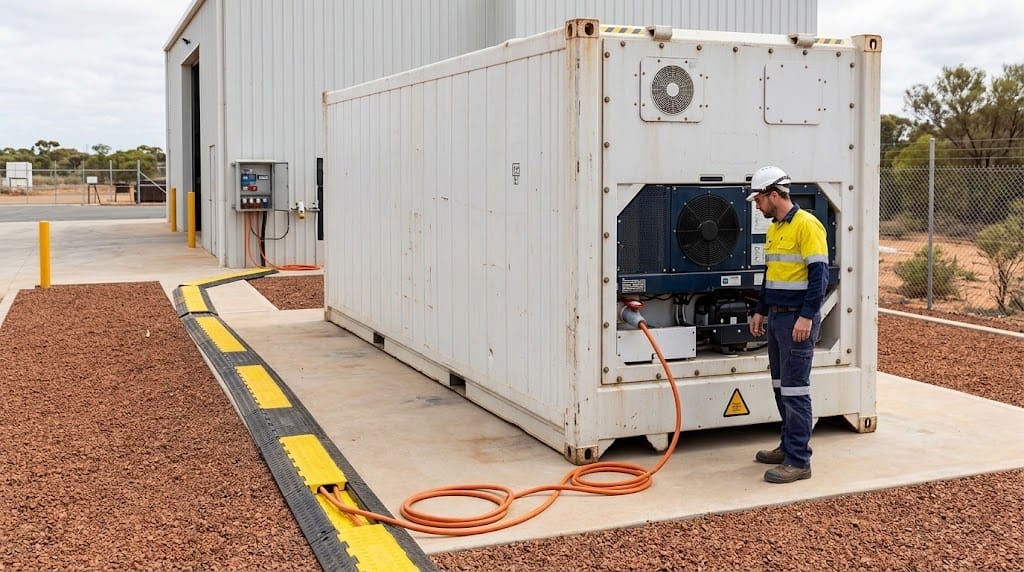
If the clearance item has refrigeration equipment, use the refrigerated shipping container range as the relevant product pathway. Confirm the exact unit’s operating status, temperature capability, power requirements and service condition from current documentation. Never assume that installed machinery is working.
If the unit is insulated but not refrigerated, assess it as passive insulated storage. If it is a dry unit, do not describe it as temperature-controlled. Accurate classification prevents a lower purchase amount from hiding a mismatch that becomes apparent only after delivery.
Include Delivery and Site Costs in the Decision
A container can be suitable in the yard and unsuitable at the destination. Measure the access route, proposed position and surrounding obstructions before agreeing to delivery. Check ground conditions, gate access, overhead obstacles and room for the required unloading method.
The client’s container transport service explains that vehicle and placement planning depend on site conditions. Confirm whether the quoted scope includes only transport or also the exact placement required at your property.
An on-site inspection may help identify access, location and container-selection issues before delivery. It does not replace structural, electrical, planning or other professional advice where the project requires it.
Ask what happens if the delivery vehicle cannot access the planned position. Clarify responsibility for site preparation, permits, traffic management, lifting, waiting time or a changed placement. These questions should be resolved before the container leaves the yard.
Compare the Clearance Option With an Evergreen Alternative
A clearance item should be compared with the closest standard alternative, not with a vague idea of the usual market. Match the product type, condition expectations, required features, delivery scope and any work needed before use.
Record the evidence available for each option. Keep that comparison documented. This can include inspection findings, photographs, product descriptions, modification details, refrigeration checks and transport information. Mark anything that remains unconfirmed rather than filling gaps with assumptions.
Consider timing carefully without accepting false urgency. A changing clearance catalogue means a unit may no longer be available later. That does not justify skipping safety, identity, condition or site checks. A missed unsuitable item is usually better than a rushed mismatch.
The same approach protects against overvaluing included features. A door, vent, lining or refrigeration unit only adds value when it supports the intended operation and is in acceptable condition. Otherwise, it may need removal, repair or further assessment.
Frequently Asked Questions
Are Clearance Containers Always Used?
No. A clearance category may contain different types and conditions of stock. Review the current listing. Ask the seller to confirm whether the exact unit is new, second-hand, modified, insulated, refrigerated or supplied in another condition.
Does Clearance Mean the Container Is Damaged?
Not necessarily. The reason for a clearance listing can vary, and it should not be guessed. Ask for the condition description, available inspection evidence and any known repairs, defects or exclusions before deciding.
Can I Rely on Listing Photographs?
Photographs can help identify questions, but they may not show every surface, repair or operational issue. Request additional evidence or inspect the unit where condition is important. Refrigeration, structure and specialised use may need qualified assessment.
How Do I Compare Clearance Shipping Containers in Perth?
Use the same project brief for every option. Compare container type, condition, intended use, included features, delivery scope, site fit and required work. Remove any option that fails an essential requirement, even when its listing appears attractive.
What Should I Send With an Enquiry?
Provide the intended contents, location, access details, preferred container type, required condition, proposed modifications and delivery timeframe. Also identify any requirement for refrigeration, insulation, certification or staff access so the supplier can address the correct pathway.
Conclusion
A clearance deal is worth considering only when the exact container fits the intended task, site and delivery plan. Verify the listing, seller, condition, inclusions and any technical requirements before treating the advertised category as evidence of value.
Recheck the live clearance category, then contact the team with your project brief. Current information is essential because clearance stock and listing details can change.