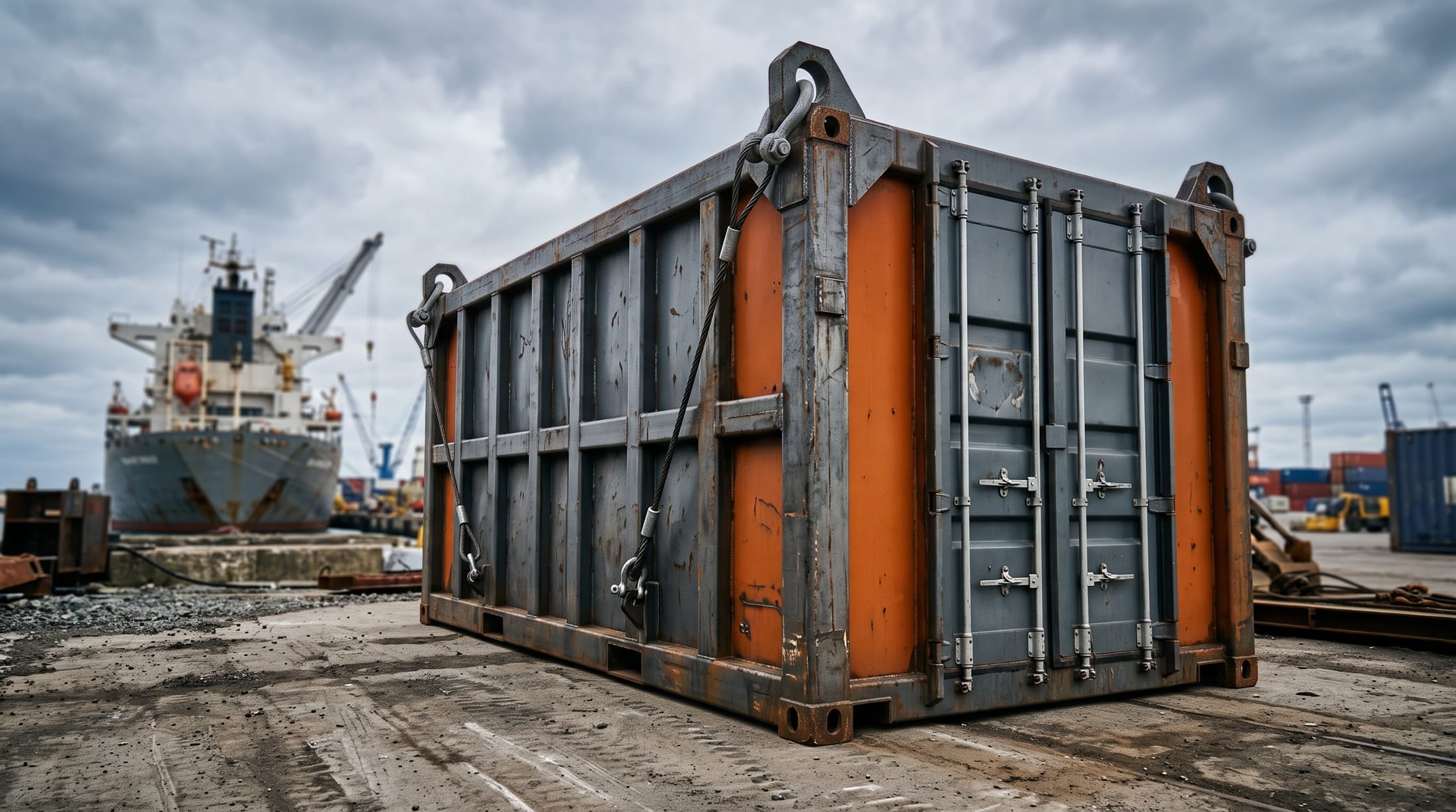
A container that works for ordinary storage or road transport is not automatically suitable for an offshore lifting operation. Marine handling introduces different risks, documentation needs and inspection questions. The project must identify those requirements before selecting a dry or refrigerated unit.
The word “offshore” should therefore describe more than a destination near the coast. It relates to a container and lifting arrangement prepared for the applicable offshore standard, operating environment and handling process. Suitability must be confirmed for the exact unit, not inferred from its shape.
The client presents a dedicated range of offshore shipping containers for dry and refrigerated applications. That category is separate from standard shipping containers. Buyers should still request current certification, lifting-set information, inspection status and documentation for the unit being considered.
The Core Difference Is the Offshore Handling Requirement
A standard freight container is designed around intermodal transport and conventional container handling. An offshore container may be lifted between a vessel and an offshore installation. Movement, impact and operating conditions differ from routine depot or road handling.
Recognised offshore requirements cover the container structure, lifting set, manufacturing controls, testing, marking and periodic examination. They are not simply a stronger version of a familiar sales description. The evidence must match the actual container and its current status.
This is why searches for “offshore container WA” should lead to a documentation question before a size question. Ask which standard applies and who accepts the unit. Confirm what records must accompany it and whether lifting equipment remains within the required inspection cycle.
A painted container, added lifting points or a general statement about heavy-duty construction does not establish offshore compliance. The unit’s identification, certification records and lifting arrangement need to be checked together. Project operators may also have their own acceptance processes beyond the container supplier’s description.
A standard dry shipping container follows a different product pathway. It may suit general site storage or conventional freight use, but that alone does not make it suitable for offshore lifting.
Offshore Dry Storage Is Not Standard Dry Storage
Dry offshore storage is intended for goods that do not need powered refrigeration. The client’s offshore dry storage category presents dedicated units with offshore-related lifting and cargo-restraint features. Exact inclusions should be confirmed against the selected listing and supporting documents.
The stored cargo still matters. Offshore certification does not prove that a dry container is suitable for dangerous goods, chemicals, waste, batteries or any regulated material. Cargo classification, segregation, packaging, ventilation and operator requirements need separate review by competent parties.
Internal fit-out also requires care. Shelving, restraint points, partitions, doors or equipment mounts can change how the space is used and loaded. Modifications should be assessed before work begins, particularly where they may affect the certified configuration, lifting behaviour, inspection access or documentation.
Condition is another part of the decision. Corrosion, impact damage, repairs, door operation and floor condition may affect serviceability. A current inspection record does not remove the need to check whether the unit suits the intended cargo and operating procedure.
What Changes With an Offshore Refrigerated Container
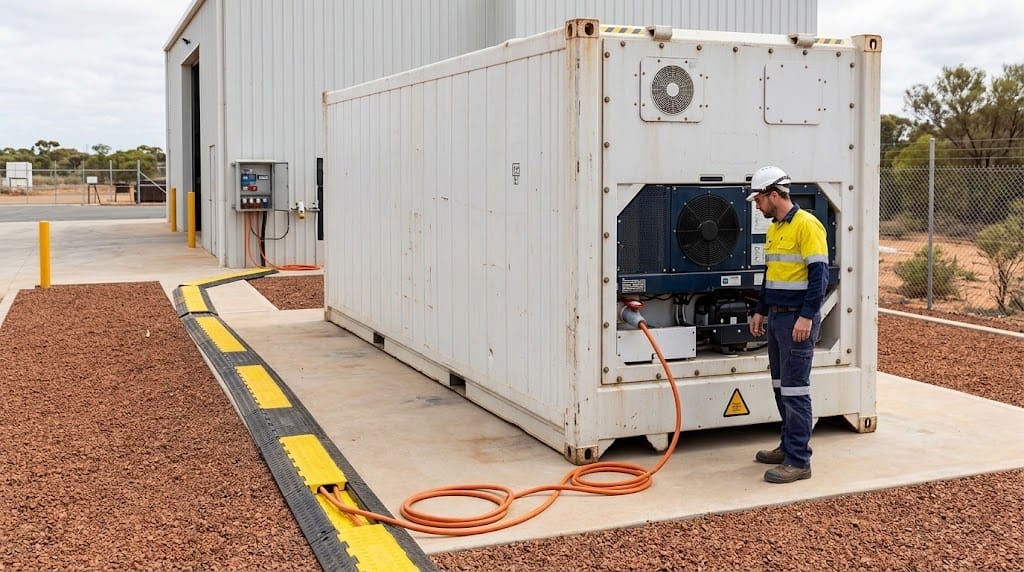
An offshore refrigerated container combines an offshore container arrangement with powered refrigeration. Both sides of that description matter. The lifting structure and records must be appropriate, while the refrigeration system must also suit the required temperature task, power supply and operating conditions.
The offshore refrigerated container category is distinct from the client’s general refrigerated range. Product descriptions should be reviewed individually because configurations, cooling functions, power needs and included documentation can vary.
One offshore refrigerated product listing describes a refrigerated container modified for offshore use with lifting gear and an engineered protective frame. That page should be treated as information about that product, not evidence that every reefer can receive the same conversion.
A working refrigeration unit does not establish offshore suitability. Likewise, offshore certification does not confirm the refrigeration system can maintain the temperature required for a particular cargo. Buyers need evidence for both the lifting application and the cold-storage application.
Documentation Should Drive the Purchase Decision
Begin by asking for the unit identity and the documentation that applies to it. The records should allow the buyer or operator to connect the physical container, its lifting set, markings, inspections and any authorised repairs or modifications.
At this stage, Container Refrigeration can discuss the intended storage task, offshore requirement, power arrangements and product pathway. Final acceptance may also depend on the project operator, competent inspector, electrical requirements and cargo-specific controls.
Check whether the supplied records are current, complete and acceptable to the receiving project. Do not rely on a generic brochure, a certificate for another unit or a statement that a container was previously used offshore. Historical use does not confirm current acceptance.
The lifting set deserves separate attention. Slings, shackles and associated identification are part of the offshore handling arrangement, not optional accessories chosen only at dispatch. Confirm what is included, how it is recorded and what inspection or replacement requirements apply.
For a refrigerated unit, add the refrigeration records and operating information. Confirm the required temperature function, electrical connection, alarms, controls and service history using current product-specific sources. Avoid selecting equipment from plug appearance, model familiarity or an assumption that every offshore reefer performs the same way.
Any modification proposed after supply should be reviewed before it is made. Cutting openings, adding equipment, changing lifting components or altering protective structures may affect certification, transport, balance, access or inspection. Qualified assessment is required where the work goes beyond an approved configuration.
Plan the Site, Transport and Operating Handover
Offshore suitability does not remove ordinary logistics questions. The container still needs to reach the staging location, be positioned safely and move through the project’s handling chain. Access, ground conditions, cranes, trucks and obstructions should be reviewed before delivery is arranged.
An on-site inspection can support discussion of the proposed location, container type and placement. It does not replace an offshore operator’s lifting plan, engineering review or formal acceptance process.
The client’s container transport service explains that delivery planning depends on access and unloading conditions. Confirm the actual transport scope, staging point and handover responsibilities directly. Offshore movement after that point may involve other contractors and controls.
For refrigerated storage, plan power and monitoring before the unit arrives. The general refrigerated shipping container range shows why product-specific selection matters. Confirm who connects the unit, who checks operation and who responds if power or refrigeration is interrupted.
A useful handover pack should identify the container, lifting set, applicable documents, inspection status, operating limits, cargo restrictions and responsible contacts. The receiving team should understand what has been verified and what remains subject to site or operator approval.
Procurement teams should also record every assumption that has not been confirmed. Typical gaps include the receiving operator’s document format, inspection timing, cargo restraint method, available power and responsibility for lifting accessories. Marking these items as open questions is safer than treating them as included. It also gives the supplier, transport provider and offshore operator a common checklist for resolving responsibilities before dispatch, mobilisation or handover. Where answers conflict, the project’s competent authority should determine what evidence and action are required. Document the final decision and retain supporting records with the unit. Retain the evidence.
Frequently Asked Questions
Can a Standard Shipping Container Be Used Offshore?
Do not assume so. A standard unit may be suitable for conventional storage or freight, but offshore lifting has separate structural, lifting, marking, documentation and inspection requirements. The exact unit must be assessed against the project’s applicable standard and acceptance process.
What Is an Offshore Refrigerated Container?
It is a refrigerated storage unit presented for offshore handling with relevant structural, lifting and documentation provisions. Its offshore status and refrigeration capability must both be verified. One does not prove the other.
Does Offshore Certification Cover the Cargo?
No. Container certification does not automatically establish that a cargo is permitted, packaged correctly or compatible with the internal fit-out. Dangerous goods, food, medical products and other controlled cargo can require separate rules and specialist advice.
Can an Offshore Container Be Modified?
Possibly, but proposed changes should be assessed before work starts. Structural openings, lifting changes, refrigeration alterations and installed equipment may affect certification, balance, inspection or operator acceptance. Use qualified parties and retain updated records where required.
What Should I Ask a Supplier to Provide?
Ask for the exact unit description, applicable certification, lifting-set details, current inspection evidence, modification records and refrigeration information where relevant. Also confirm what is included in transport and what remains the buyer’s or operator’s responsibility.
Conclusion
Choose an offshore unit by starting with the handling standard, cargo, documentation and project acceptance process. Then decide whether the task needs dry storage or an offshore refrigerated container with verified cooling and power requirements.
Review the relevant offshore category and contact the team with the project location, intended cargo and required documentation. Clear requirements help separate a suitable offshore pathway from a standard unit that only appears similar.