A storage site can become difficult to manage when heat, cold, dust or changing weather may affect what sits inside a standard steel container. The immediate question is not always how to create active cooling. It is whether the contents need powered temperature control at all.
That distinction matters because a refrigerated container and an insulated container solve different problems. Choosing the more complex option without a clear operating need can add power, placement and servicing considerations that do not support the actual task.
An insulated shipping container has insulated walls but no active refrigeration system. It can reduce the direct effect of outside conditions, but it does not create or hold a selected temperature like a working reefer. A reefer is a shipping container fitted with powered refrigeration.
What an Insulated Container Actually Does
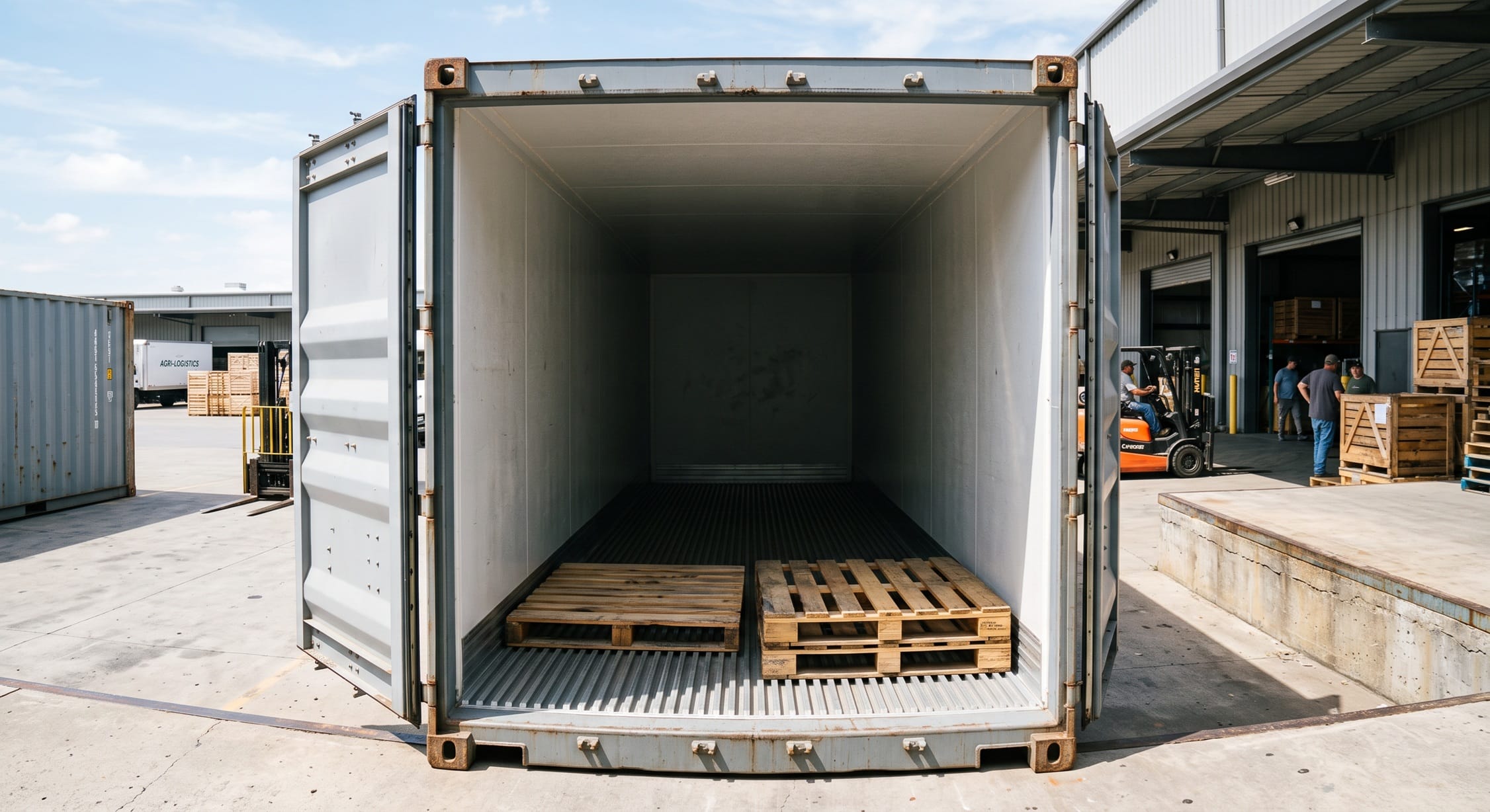
Insulation slows heat transfer between the inside of the container and the surrounding environment. That can make the internal space less exposed to rapid outside changes than a standard dry container. The result still depends on the unit, its condition, the contents, door openings, ventilation, location and weather.
This limitation is important. Insulation is not a substitute for refrigeration when goods must remain within a controlled temperature range. It also does not prove that a container is suitable for food, medicine, chemicals or any other regulated use. Those applications need their own operational, hygiene, safety and compliance checks.
Some insulated units begin as former refrigerated containers. The current insulated ex-refrigerated container listing explains that the refrigeration unit may be non-operational or removed, with the opening insulated. That description helps separate retained insulation from working cooling equipment.
Condition should be assessed unit by unit. Door seals, wall linings, flooring, previous use and any alterations can affect suitability. A buyer should ask what remains from the original refrigerated configuration and what work has been completed since decommissioning.
How an Insulated Container Differs From a Full Reefer
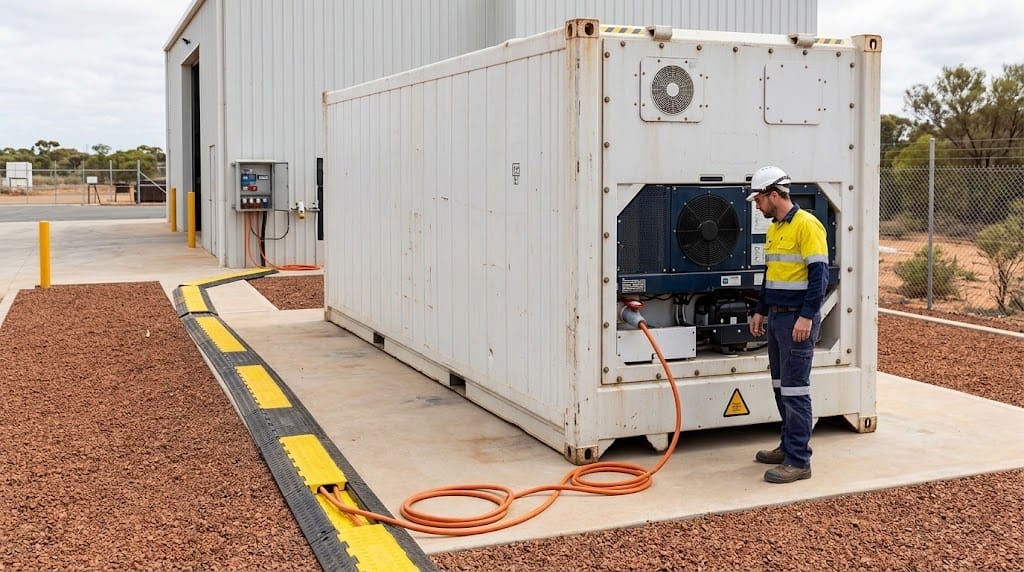
A full reefer uses a refrigeration system to manage the internal temperature within the verified operating capability of the specific unit. It needs compatible power, suitable placement, airflow around the refrigeration end and a plan for service or faults. The required temperature and product load must be checked before selecting equipment.
The client’s refrigerated shipping container range is therefore a different pathway from passive insulated storage. A reefer may be appropriate when controlled chilled or frozen storage is required, but the exact capability must come from the current product information.
An insulated container has no powered system that pulls the space down to a set point. It cannot correct warm product, recover actively after repeated door openings or compensate for unsuitable loading practices. Its role is passive moderation, not active temperature management.
The practical decision starts with the contents. Ask whether they merely benefit from a lined and insulated enclosure, or whether they must stay inside a defined operating range. Where temperature failure could damage stock, interrupt operations or create a compliance issue, seek product-specific technical advice rather than relying on the word “insulated”.
Finally, compare the insulated option with a standard dry container. If the contents do not need insulation, a dry unit may address the storage task without an unnecessary conversion. If active control is essential, return to a verified reefer specification.
When an Insulated Container Can Make More Sense
An insulated container may make more sense where the project needs a robust enclosed space with insulation, but not a refrigeration plant. Examples can include general storage, equipment storage or a site space that will receive further assessed modifications. Suitability still depends on the intended use and condition of the selected unit.
A compact option such as the insulated mini container is presented by the client as a former refrigerated container. It can be modified for storage. That does not make every insulated mini suitable for every site, but it shows the type of conversion available for smaller footprints.
Power availability can also shape the decision. A reefer cannot operate without a compatible supply or another verified power arrangement. Passive insulation does not need power to exist, although lighting, ventilation, air conditioning or other additions may introduce separate electrical requirements.
Noise and maintenance expectations differ too. An insulated unit has no operating refrigeration machinery when supplied as passive storage. A full reefer introduces equipment that needs clearance, correct connection and servicing. These differences may matter at temporary sites, workplaces or locations close to other activities.
At the planning stage, Container Refrigeration can discuss the intended use, existing condition, proposed modifications and delivery considerations. The discussion should begin with the storage task, not an assumption that insulation or refrigeration is automatically the better option.
When a Reefer Is the Safer Operational Choice
A reefer is the stronger pathway when the contents need active temperature control and the selected unit has verified capability for that task. The requirement should be expressed clearly, including whether the goods arrive warm, how often doors open and what happens during power interruptions.
Do not choose an insulated container only because the project wants to avoid powered equipment. If the contents depend on controlled chilling or freezing, passive insulation cannot provide the same function. The consequences of temperature drift should be assessed before comparing purchase, hire or modification options.
The same caution applies to converted workspaces. Insulated walls may reduce direct heat transfer, but occupancy introduces ventilation, electrical, fire, access and approval questions. Air conditioning is a separate system, not evidence that a container is ready for occupation.
The client lists container air-conditioning options and a broader insulated container modifications catalogue. Any modification should be matched to the unit and use. Structural openings, electrical work and mechanical systems need suitable assessment and qualified installation.
What to Check Before Buying in WA
Searches for “insulated container for sale WA” often begin with size or appearance. A more useful comparison starts with the contents, location and operating limits. Ask the seller to explain whether the unit is purpose-built, converted from a reefer or supplied with a removed or non-operational refrigeration system.
Inspect the internal lining, floor, doors, seals and visible repairs. Ask about previous use and any modification records that are available. Do not assume a clean appearance confirms hygiene, structural condition, weather resistance or suitability for a specialised product.
Site access also matters before purchase. An on-site inspection may help assess the location, proposed placement and container type. The service page should not replace project-specific engineering, electrical or regulatory advice where those disciplines are required.
Delivery arrangements must match the property and intended position. The client’s container transport service notes that access, ground conditions, obstructions and unloading method affect planning. Confirm the delivery scope directly instead of assuming every site or placement can be accommodated.
A written comparison can prevent the decision from drifting towards whichever unit is easiest to find. Record the required function, unacceptable risks, site constraints and evidence requested from the seller. Then compare each option against the same brief. This process keeps appearance, familiarity and product labels from replacing the checks that determine whether the container suits the operation. Record reasons clearly.
Frequently Asked Questions
Does an Insulated Shipping Container Keep a Fixed Temperature?
No fixed temperature should be assumed. Insulation slows heat transfer, but the internal conditions still respond to weather, door openings, stored contents, ventilation and the container’s condition. A working reefer uses powered equipment to manage temperature within its verified capability.
Can an Insulated Container Be Used as a Cool Room?
The terms should not be treated as interchangeable. A passive insulated container has no active refrigeration unless a suitable system has been added and commissioned. Confirm the required operating temperature, product use, fit-out and applicable hygiene or safety requirements before describing any space as a cool room.
Is a Former Reefer Still Refrigerated?
Not necessarily. A former reefer may retain insulated panels while the refrigeration unit is removed or no longer operational. Ask for the exact configuration and current condition. Never assume that an insulated ex-refrigerated container can chill or freeze goods.
Can an Insulated Container Be Modified?
The client presents doors, flooring, shelving, ventilation, walls, windows and electrical work within its insulated modification categories. The selected options still need assessment for the particular container, site and use. Modifications can affect structure, transport, approvals and future servicing.
What Information Should I Provide Before Enquiring?
Describe what will be stored and whether controlled temperature is essential. Note access frequency, the intended location, site access and any proposed modifications. This gives the supplier a clearer basis for discussing an insulated unit, dry container or refrigerated alternative.
Conclusion
Choose an insulated container when passive insulation supports the real storage task and powered temperature control is not required. Confirm the unit’s origin, condition, fit-out, access and limitations before committing.
Review the current insulated range, then contact the team with your intended use and site details. A clear brief helps prevent an insulated container from being mistaken for a full reefer.