A refrigerated container failure costs more than spoiled stock. It can mean lost customer trust, regulatory penalties, and insurance claims that take months to resolve. A container monitoring contract provides 24/7 oversight of the critical systems keeping your cold storage operational – but only if you understand what’s actually being tracked and why it matters for your business.
Most buyers assume monitoring means someone checks the temperature occasionally. The reality is far more comprehensive. Modern reefer monitoring service WA systems track power consumption, door access, ambient conditions, refrigerant pressure, and alarm response times – all data points that directly affect your operational costs and compliance obligations.
What Container Monitoring Actually Tracks
Temperature logging is the baseline for any container monitoring contract, but it’s just the start. A proper refrigerated container monitoring system records internal container temperature at regular intervals, creating a continuous data trail for HACCP compliance and insurance claims. If your unit drifts outside the set range, the system logs when it happened, how long it lasted, and whether corrective action was taken.
Most Australian food safety audits require temperature records going back 90 days minimum. Manual logging fails the moment someone forgets to check. A reefer monitoring service WA system never does.
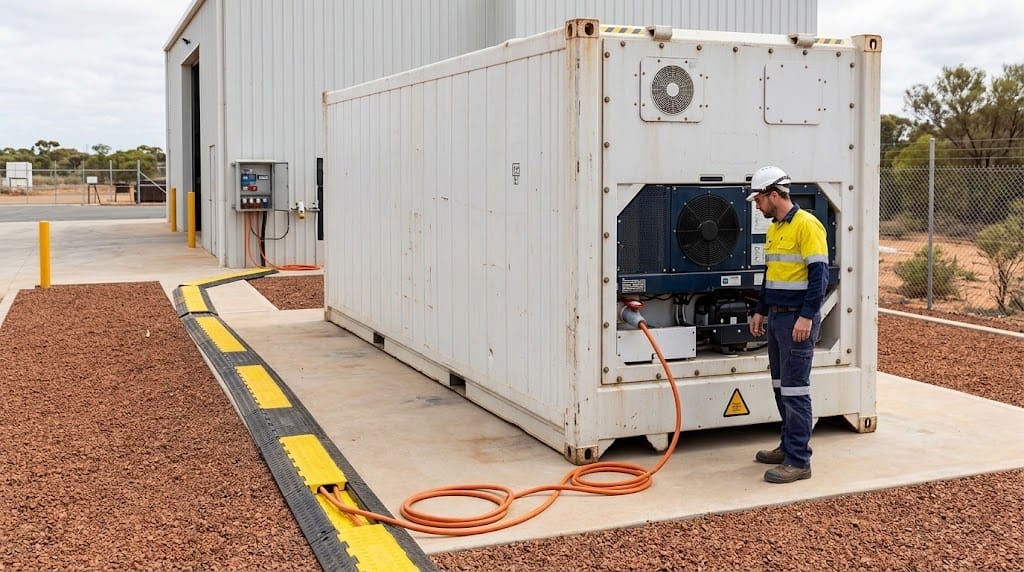
Power supply status tells you whether your refrigerated containers are receiving stable voltage. Voltage drops below nominal rating trigger alerts, because sustained low voltage damages compressor motors and shortens unit lifespan. Remote sites running generators need this data even more. If your generator fuel runs low or the unit trips offline overnight, you’ll know before your stock warms.
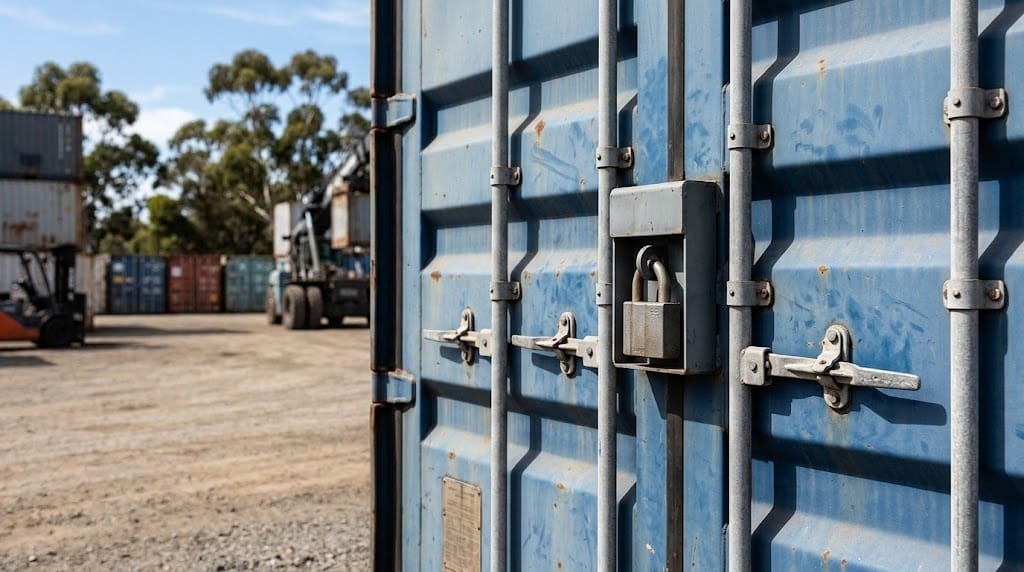
Door access tracking records every time the container door opens and how long it stays open. This matters for two reasons: energy efficiency and security. A door left ajar in summer heat forces the refrigeration unit to work overtime and spikes power costs. For high-value pharmaceutical or seafood storage, door logs also create an audit trail showing who accessed the container and when.
Why Ambient Temperature Monitoring Prevents Failures
Your refrigeration unit doesn’t operate in isolation. Ambient temperature – the air temperature surrounding the container – directly affects cooling performance and power consumption. A unit rated for certain ambient conditions will struggle during WA’s extreme summer heat.
Refrigeration system tracking that monitors ambient temperature alongside internal temperature reveals performance trends. If your unit maintains -18°C easily in winter but struggles to hold -15°C in summer, that’s a sign the refrigeration system needs servicing before it fails completely.
Humidity monitoring matters for specific applications. Fresh produce storage requires controlled relative humidity to prevent moisture loss and wilting. Frozen goods need low humidity to prevent frost buildup on evaporator coils. If your container monitoring contract doesn’t specify humidity tracking for humidity-sensitive cargo, ask why not.
Refrigeration System Health Metrics
Compressor run time and defrost cycle frequency are early warning indicators for mechanical issues. A healthy refrigeration unit runs in cycles – cooling until setpoint is reached, then shutting off until temperature rises again. If the compressor runs continuously for extended periods, something is wrong.
A reefer monitoring service WA tracks compressor duty cycle – the percentage of time the compressor runs versus rests. A sudden significant increase in duty cycle signals a developing problem, usually well before total failure.
Common causes of elevated compressor duty cycle include:
- Door seals leaking warm air into the container
- Refrigerant charge below optimal level
- Condenser coils clogged with dust or debris
- Ambient temperature exceeding unit rating
Defrost cycles prevent ice buildup on evaporator coils. Most units defrost automatically every 6-8 hours. If defrost cycles become more frequent, it suggests humidity infiltration or a failing defrost heater. If they stop entirely, ice buildup will choke airflow and crash cooling performance within 48 hours.
Advanced container monitoring contract packages include refrigerant pressure tracking via sensors on the high and low-pressure sides of the system. Abnormal pressure readings indicate refrigerant leaks, compressor wear, or expansion valve problems – all issues requiring ARC-licensed technician intervention before they cause unit failure.
Alarm Response Protocols That Actually Work
A refrigerated container monitoring system is only useful if someone responds to alerts. Alarm response protocols define who gets notified, how quickly, and what actions they take.
Basic contracts send email alerts to one nominated contact. If that person is on holiday or misses the email overnight, your stock spoils. Better cold storage monitoring systems use tiered escalation:
- First alert (temperature exceeds threshold for a defined period): SMS and email to site manager
- Second alert (no acknowledgement within a set timeframe): Call to site manager and backup contact
- Third alert (no response after a further period): Dispatch refrigeration technician to site
The best reefer monitoring service WA contracts include 24/7 monitoring centre support. If an alarm triggers at 3am on a public holiday, a trained operator assesses the situation, contacts you, and arranges emergency service if needed.
Ask potential monitoring providers about their average alarm response time. If they can’t give you a specific number backed by data, they’re not tracking it properly.
Data Retention and Compliance Requirements
HACCP temperature records requirements vary by industry, but Australian food safety regulations require temperature records for a minimum of 90 days. Many industries need longer retention – pharmaceutical cold storage often requires years of continuous temperature logs for TGA compliance.
Key questions to ask about any remote container monitoring system’s data management:
- Data retention period – how long are records stored?
- Data access method – web portal, mobile app, or downloadable reports?
- Report formats – PDF, CSV, or both?
- Backup and redundancy – what happens if the monitoring system itself fails?
Cloud-based refrigerated container monitoring systems offer better data security than local storage. If your site floods or burns down, cloud-stored temperature logs remain accessible for insurance claims and regulatory investigations.
What Monitoring Contracts Don’t Cover
Most container monitoring contract agreements track system performance, not maintenance obligations. If your refrigeration unit needs annual servicing, a new compressor, or refrigerant top-up, that’s usually a separate cost. Read the fine print carefully.
Refrigeration system tracking doesn’t prevent failures – it detects them early. If you ignore alerts for extended periods, the system will still fail. Monitoring works best when paired with preventive maintenance that addresses issues before they become emergencies.
Site-specific challenges like poor power quality, extreme ambient temperatures, or inadequate ventilation won’t be fixed by monitoring alone. A reefer monitoring service WA will tell you there’s a problem, but you’ll still need a qualified technician to fix it.
Some contracts exclude consumable parts like door seals, air filters, and defrost heaters from coverage. If a worn door seal causes temperature logging compliance issues, you’ll pay separately to replace it even though monitoring detected the problem.
How Monitoring Reduces Insurance Premiums
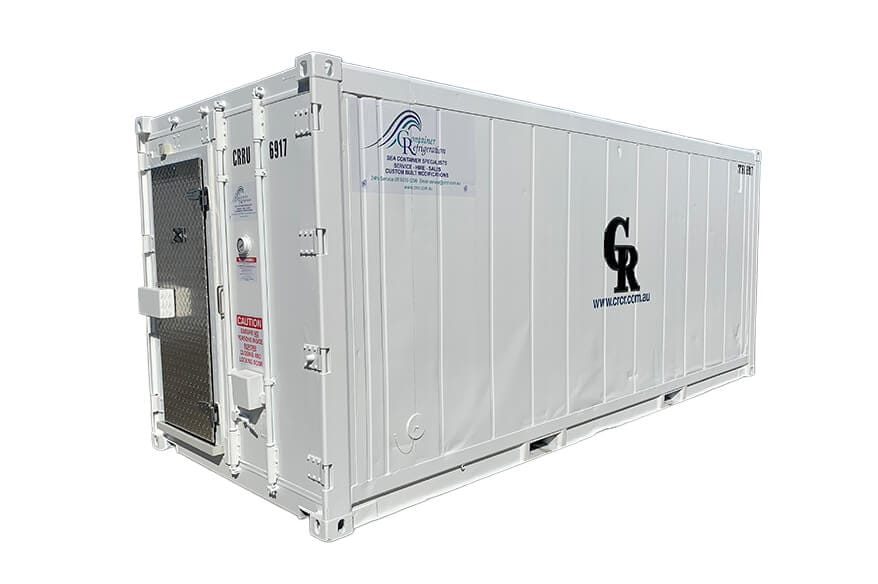
Container Refrigeration provides container monitoring contract options matched to your cold storage operation across Perth and regional WA. We assess your specific temperature compliance requirements, data retention obligations, and site connectivity before recommending a monitoring solution.
Insurers view monitored refrigerated containers as lower risk than unmonitored units. A monitored unit triggers alerts quickly after a fault, limiting losses compared to an unmonitored container that no one notices has failed until the next morning.
Insurance claims require proof that you took reasonable steps to prevent loss. HACCP temperature records showing your unit operated correctly until a power failure – and that you responded to alerts promptly – strengthen your claim significantly. Without monitoring data, insurers may argue you failed to maintain proper storage conditions.
For high-value cargo like pharmaceuticals or premium produce, a container monitoring contract isn’t optional from an insurance perspective. Many insurers won’t cover unmonitored cold storage at viable premium levels for high-value goods.
Choosing Between Basic and Advanced Monitoring
Basic monitoring suits businesses with single containers storing lower-value goods:
- Temperature logging at regular intervals
- Email alerts for out-of-range temperatures
- 90-day data retention
- Web portal access to reports
Advanced monitoring suits businesses where cold chain failures mean regulatory penalties, not just spoiled stock:
- More frequent temperature logging intervals
- SMS and phone call alerts with escalation protocols
- 24/7 monitoring centre support
- Ambient temperature and humidity tracking
- Compressor run time and refrigerant pressure monitoring
- Extended data retention periods
- Integration with building management systems
Advanced cold storage monitoring systems cost more than basic packages but deliver essential capability for pharmaceutical, export seafood, and premium produce operations.
Remote Site Monitoring Challenges
Remote container monitoring for containers operating in remote WA locations face unique challenges. Mobile network coverage determines whether your reefer monitoring service WA system can transmit data in real time. If your agricultural or mining container sits in a mobile black spot, cellular-based monitoring won’t work.
Alternative approaches for remote container monitoring in low-coverage areas include:
- Satellite monitoring systems – higher cost, but work across WA’s most remote locations
- Local data logging with periodic upload – stores data onboard, uploads when network is available
- Radio frequency systems – requires a base station within range
Remote sites also need backup power monitoring. If your container runs on a generator or solar system, the container monitoring contract should track power source status separately from refrigeration performance. A generator running low on diesel is a different problem than a failing compressor, and requires a different response.
What to Ask Before Signing a Monitoring Contract
Get specific answers to these questions before committing to any refrigerated container monitoring service:
- How quickly do alerts reach me? Real-time means within minutes.
- What happens if the monitoring system itself fails? Does the provider notify you immediately?
- Who pays for site visits triggered by false alarms?
- Can you access historical data after the contract ends?
- What’s included in the monthly fee versus billed separately?
- How does the system handle planned maintenance windows?
The temperature logging compliance data your monitoring system generates is your property. Confirm you can export and retain it independently of the provider’s platform.
For businesses combining monitoring with active maintenance, our refrigeration service contract pairs scheduled maintenance visits with monitoring data – using actual system performance metrics to schedule servicing at the right time rather than on a fixed calendar.
For businesses needing immediate professional assessment when monitoring alerts trigger, our unit swap-over service provides a replacement unit when monitoring data confirms a failed refrigeration system – keeping your cold chain operational whilst the original unit is repaired.
When monitoring data reveals a failing refrigeration unit early, a scheduled unit inspection confirms the fault before any repair commitment is made – preventing unnecessary parts orders and service costs.
For agricultural operations using cold storage monitoring systems to track produce storage conditions, our farm refrigerated storage containers are pre-configured for compatibility with standard Australian monitoring platforms.
For remote container monitoring in off-grid WA locations, our off-grid container power solutions include power monitoring capability – tracking generator fuel status, voltage output, and runtime alongside refrigeration performance data.
For businesses needing high-security cold storage with reefer monitoring service WA integration, our container access control doors support door-open sensor integration, connecting door access data directly into your monitoring platform’s audit trail.
A pre-installation site assessment confirms network coverage, power supply stability, and container placement suitability before your reefer monitoring service WA system is installed – preventing connectivity or power issues that compromise monitoring reliability.
For businesses with multiple refrigerated containers needing coordinated refrigeration system tracking, our container transport service can coordinate delivery and positioning of monitored units across your WA sites as part of a single managed arrangement.
For businesses adding a container monitoring contract to a newly purchased refrigerated unit, our new reefer range WA provides fresh units with monitoring-compatible digital controllers and alarm output connections built in from the factory.
For refrigerated container monitoring applications at event or hospitality sites, a mobile refrigerated trailer can be fitted with monitoring sensors before deployment – providing HACCP temperature records for mobile cold storage at markets, festivals, and catering events.
For cold storage monitoring systems at remote agricultural sites where the refrigerated container also serves as a workspace, our container modifications catalogue covers access doors, ventilation, and electrical fitouts that work alongside monitoring equipment without compromising sensor accuracy.
For reefer monitoring service WA operations where high-value stock also needs protection from theft, our container security locks provide marine-grade padlocks and lockbox systems that complement door-open monitoring by adding physical security to the access audit trail.
For refrigeration system tracking setups needing portable cold storage options that can be monitored alongside a fixed container monitoring contract, our cold storage hire WA provides additional monitored refrigerated units on flexible hire terms during peak periods.
For HACCP temperature records applications requiring the highest level of cold chain assurance, our reefer cooling unit provides precision digital control with alarm outputs compatible with all major Australian monitoring platforms.
For container monitoring contract setups at sites also needing dedicated smoking or amenity areas, our 10ft site shelter can be positioned alongside monitored refrigerated containers as a complete, compliant site amenity package.
Call (08) 9335 6299 or get in touch with our team to discuss container monitoring contract options matched to your specific cold storage requirements and operational environment.